
Understanding the Psychology Behind Spa Ads
Creating effective spa advertisements requires a deep understanding of consumer psychology. Advertisements in this industry must evoke feelings of relaxation, luxury, and rejuvenation, prompting potential clients to seek these transformative experiences. The key to a successful Spa Ad lies in understanding not just the services offered, but also the emotions and desires that drive customer behavior.
What Makes Spa Ads Effective?
The effectiveness of a spa ad is influenced by multiple factors including the emotional appeal, clarity of message, and the call to action. A successful ad captures the essence of tranquility and restoration associated with spa services, making it relatable and captivating. Engaging visuals paired with succinct copy that highlights the benefits rather than just the features often yield better results.
Key Emotional Triggers in Spa Advertising
Advertising for spas should tap into key emotional triggers like stress relief, self-care, and indulgence. These triggers resonate deeply with individuals seeking a break from their busy lives. By framing spa services as a necessary step towards personal well-being, advertisers can more effectively connect with their target audience.
Common Misconceptions About Spa Promotions
Perhaps one of the biggest misconceptions is that spa promotions only attract clients looking for discounts. While price is a factor, many spa-goers are primarily motivated by the perceived value and experience rather than just cost. Additionally, using overly complex language can alienate potential clients. Simple, evocative language tends to be more effective.
Crafting Compelling Spa Ad Content
Writing engaging content for spa ads is an art form that combines creativity with strategic thinking. Spa owners must create a narrative that speaks directly to their clientele while also reflecting the unique characteristics of their establishments.
Utilizing Evocative Language in Spa Advertising
Evocative language is essential in conveying the feelings associated with spa services. Words like “tranquil,” “serenity,” and “luxury” not only paint a picture but also stimulate the senses. Descriptive phrases that create vivid imagery can influence a reader’s perception, compelling them to envision their experience at the spa.
The Importance of Visual Elements in Spa Ads
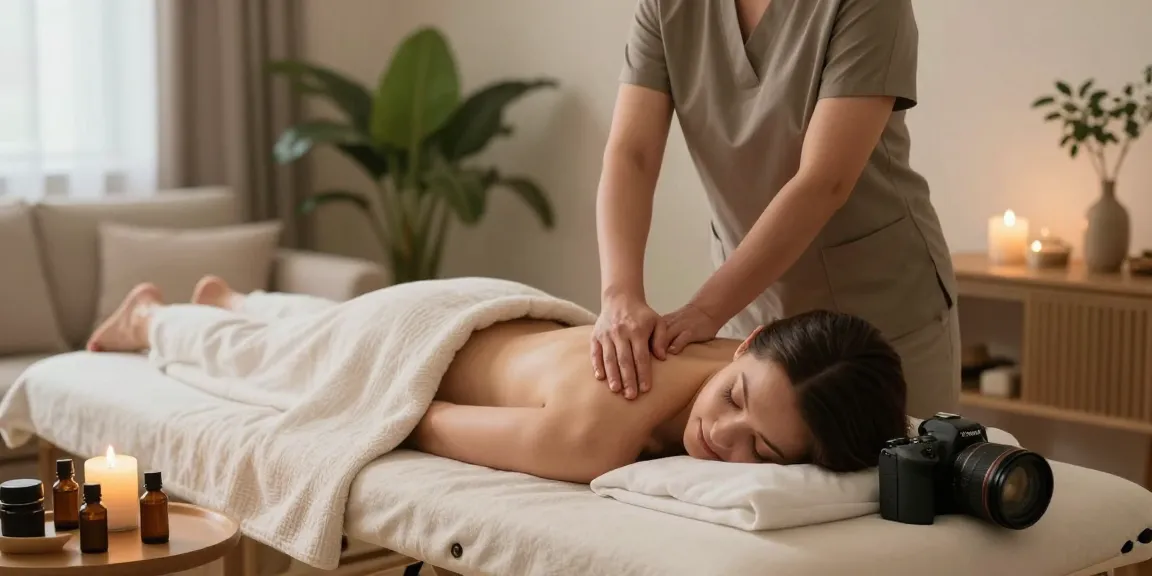
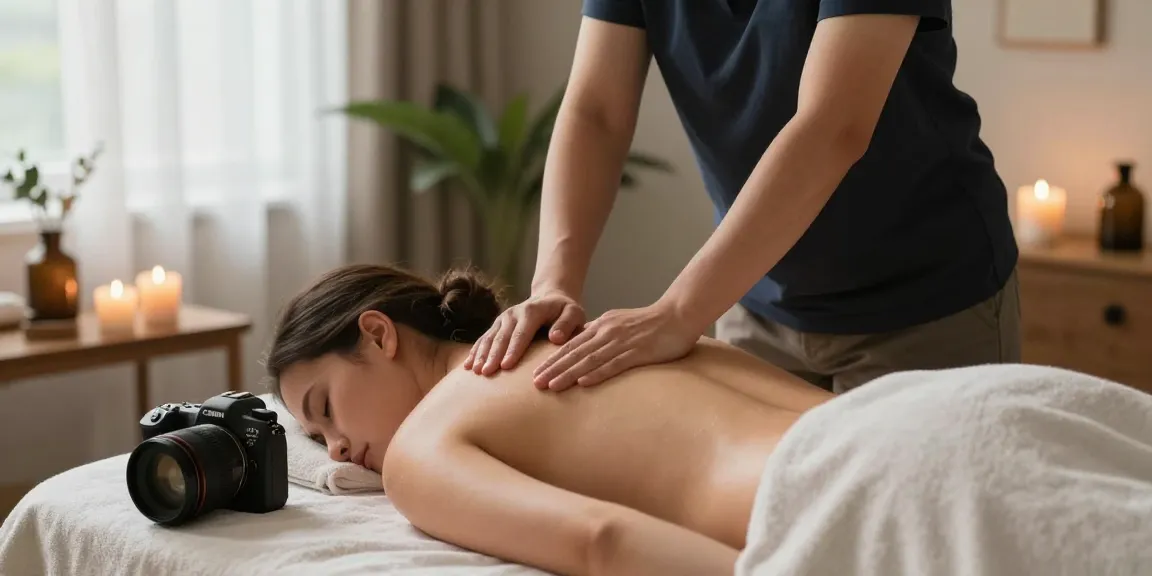
The visual component of spa advertising is paramount. High-quality images that showcase serene environments, relaxing treatments, and satisfied clients can significantly enhance the appeal of an advertisement. Utilizing imagery effectively can evoke the desired emotional response from the audience, making them more likely to engage.
Best Practices for Copywriting Spa Ad Campaigns
Successful spa ads often follow specific best practices. Copy should be concise and focused, with a clear call to action that encourages potential clients to book an appointment or visit the spa. Additionally, making use of testimonials can help build trust, as prospects are more likely to respond positively to the experiences of others.
Leveraging Digital Platforms for Spa Advertising
In today’s digital age, effective spa advertising cannot merely rely on traditional methods. Spa owners must leverage various digital platforms to reach a larger audience and engage potential clients.
Maximizing Engagement on Social Media
Social media is one of the most effective platforms for spa advertising. Creating engaging content that resonates with followers can lead to increased brand awareness and customer loyalty. Regularly posting visually appealing content, special offers, and informative tips on platforms like Instagram and Facebook can significantly boost engagement.
SEO Strategies for Your Spa Ads
Implementing search engine optimization (SEO) strategies is crucial for enhancing the visibility of spa ads online. Using targeted keywords such as “luxury spa,” “wellness retreat,” or “spa packages” in website content can help improve rankings on search engines. Additionally, consistent use of local SEO practices can attract clients who are searching for spas in their vicinity.
Utilizing Email Marketing to Enhance Spa Clientele
Email marketing remains a powerful tool for spas looking to remain top-of-mind with their clientele. Regular newsletters featuring exclusive offers, upcoming events, and wellness tips can keep your audience engaged. Personalizing emails and segmenting your audience can further enhance the effectiveness of this strategy.
Measuring the Success of Your Spa Ads
Understanding the impact of advertising efforts is essential for any spa business. Without proper measurement and analysis, it’s challenging to determine what’s working and what needs improvement.
Key Performance Indicators for Spa Campaigns
Identifying key performance indicators (KPIs) is crucial for assessing the success of spa advertising campaigns. Metrics such as click-through rates, conversion rates, and customer acquisition cost provide valuable insights into the effectiveness of your ads.
Analyzing Engagement and Conversion Metrics
Engagement metrics, such as likes, shares, and comments on social media posts, give a good indication of how well your audience is responding to your ads. Similarly, tracking conversion metrics will allow spa owners to see how many leads turn into actual bookings, helping to refine future advertising strategies.
Real-World Case Studies of Successful Spa Ads
Examining case studies of successful spa advertising campaigns can provide invaluable lessons. For instance, a spa that focused on wellness packages through compelling storytelling and engaging visuals experienced a marked increase in bookings. Similarly, a targeted social media campaign that utilized user-generated content significantly boosted client engagement and loyalty.
Future Trends in Spa Advertising for 2026 and Beyond
As the spa industry evolves, so too do advertising strategies. Staying ahead of emerging trends can keep your business competitive and appealing to modern consumers.
Emerging Technologies Influencing Spa Marketing
Technological advancements such as augmented reality (AR) and virtual reality (VR) are beginning to play a role in spa marketing. These technologies allow potential clients to experience services in an innovative way, providing a sneak peek into the relaxation and enjoyment they can expect during their visit.
Anticipating Consumer Preferences in Spa Services
Consumer preferences are shifting towards personalized experiences and holistic wellness. Spas that adapt to these preferences by offering tailored services and packages are more likely to succeed. Understanding the demographic shifts and evolving values of consumers is essential for effective marketing.
Innovative Campaign Ideas for the Modern Spa Business
To attract new clients and retain existing ones, spas can explore innovative campaign ideas. Collaborating with local wellness influencers, offering exclusive membership plans, or creating wellness retreats can enhance visibility and customer engagement. Additionally, leveraging customer feedback to develop new services can also create a buzz.